
If your garden turns into a swamp every time it rains, you’re not alone. Poor drainage is one of the most common issues homeowners face, especially in the UK where heavy rainfall is part of everyday life. Left unresolved, drainage problems don’t just make your garden unusable, they can also damage patios, lawns, driveways and even nearby structures.
At SM Landscaping, we regularly help homeowners across Telford fix drainage issues that have been causing frustration for years. The good news is that most drainage problems can be solved with the right approach. The key is understanding what’s actually causing the issue in the first place.
Why Garden Drainage Problems Happen
Drainage issues usually come down to how water moves (or doesn’t move) through your garden. Several factors can contribute, and it’s often more than one at the same time.
Heavy clay soil is a big culprit in many parts of Telford. Clay holds onto water instead of letting it drain away naturally, which leads to puddles, soggy lawns and muddy patches. Poor ground preparation during previous landscaping work can also cause issues, especially if patios or driveways were laid without proper foundations or gradients.
In some cases, the garden layout itself works against drainage. Flat areas, compacted soil and blocked runoff routes all make it harder for water to escape.
Standing Water After Rain
One of the clearest signs of a drainage problem is standing water that hangs around long after rainfall has stopped. This often appears on lawns, near patios or in low spots where water naturally collects.
Over time, standing water can kill grass, weaken paving foundations and create slippery surfaces. It also makes the garden far less enjoyable to use.
How it’s fixed:
Improving drainage usually involves adjusting ground levels, improving soil structure or installing proper drainage channels beneath the surface. In many cases, redirecting water away from problem areas makes a huge difference without needing major disruption.
Muddy Lawns That Never Dry Out
If your lawn feels permanently soft or muddy, even during dry spells, drainage is almost certainly the issue. Poorly draining soil becomes compacted over time, making it harder for water to pass through.
This is common in gardens where foot traffic is high or where the lawn was laid without adequate preparation underneath.
How it’s fixed:
Solutions range from improving soil conditions to redesigning parts of the garden with hard landscaping, raised beds or decorative stone areas that reduce waterlogging while keeping the garden functional.
Water Pooling on Patios and Driveways
Puddles forming on patios or driveways are more than just annoying. They’re usually a sign that the surface hasn’t been installed with the correct gradient or drainage system.
Aside from looking untidy, pooled water increases the risk of slipping and can lead to staining, moss growth and long-term damage.
How it’s fixed:
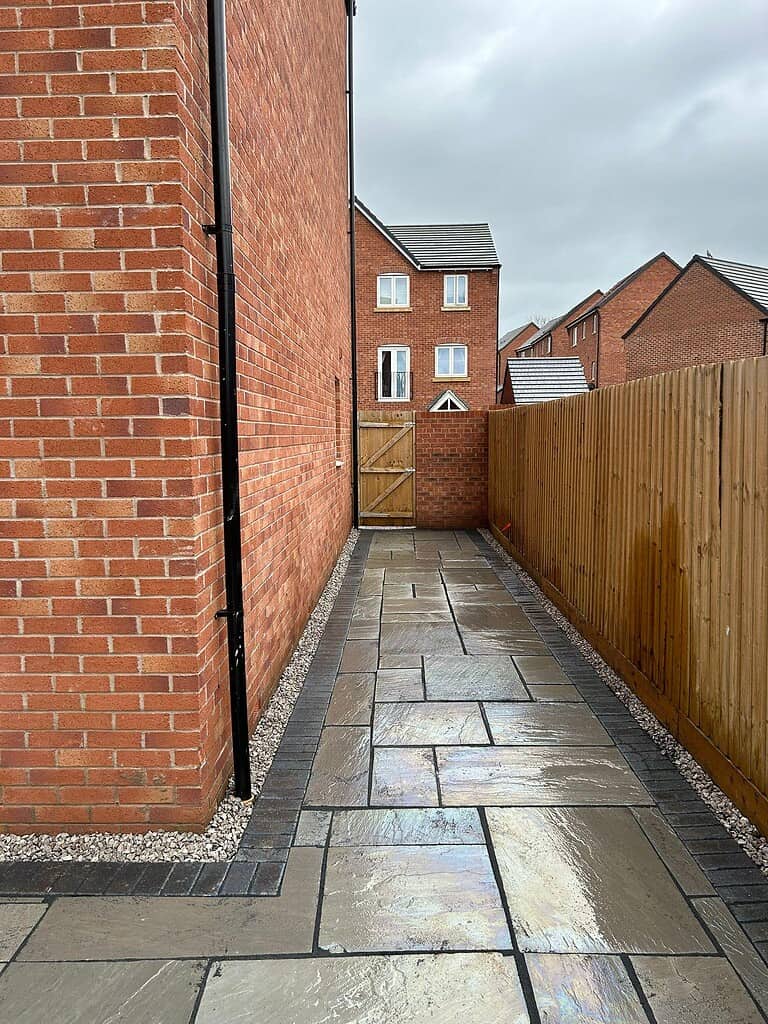
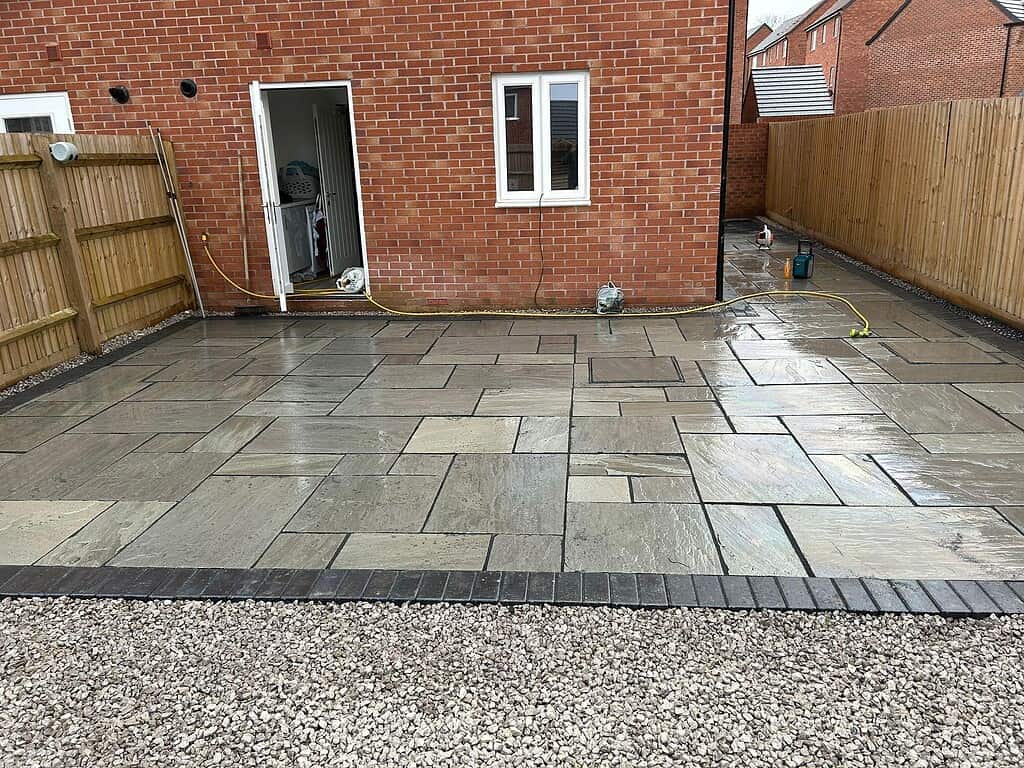
A properly designed patio or driveway allows water to drain away naturally. This involves correct sub-base preparation and subtle gradients that aren’t noticeable visually but work effectively in wet weather.


Runoff Problems and Flooding Near the House
When water isn’t managed correctly, it can flow toward your property instead of away from it. This can lead to damp issues near walls, flooded pathways and damage to surrounding landscaping.
This is often caused by poor garden levels or previous work that didn’t account for water movement.
How it’s fixed:
Landscaping adjustments, drainage channels and reworking garden levels help direct water safely away from buildings while maintaining a clean, attractive finish.
Why DIY Fixes Often Don’t Work
It’s tempting to try quick fixes like digging trenches or adding gravel, but without understanding how water behaves underground, these solutions often make things worse.
Temporary fixes might hide the problem for a short time, but drainage issues usually return unless the root cause is addressed properly. That’s why professional assessment and correct groundwork matter so much.
Designing Gardens With Drainage in Mind
The best way to avoid drainage problems is to factor them into the design from the start. Modern landscaping isn’t just about how a garden looks, it’s about how it performs year-round.
Good drainage design includes:
• Correct ground preparation
• Smart use of hard landscaping
• Proper gradients and runoff routes
• Materials suited to UK conditions
When done right, drainage solutions are almost invisible, but they completely transform how usable your garden feels.

Fix Garden Drainage Problems With SM Landscaping
Drainage issues don’t have to be something you live with. With the right planning and professional installation, even the wettest gardens can be transformed into practical, attractive outdoor spaces.
At SM Landscaping, we help homeowners across Telford solve garden drainage problems properly, not temporarily. Whether you’re dealing with standing water, muddy lawns or poorly draining patios, we’ll assess the issue and recommend a solution that actually works.
If your garden struggles every time it rains, it might be time to fix the problem at its source and finally enjoy your outdoor space again.

Do you need help from our experts
Give us a call today to get expert advice and support from our experienced team.